Interview with Ludovico Esposito - Founder of Sud Sonico Italia and international consultant in fundraising
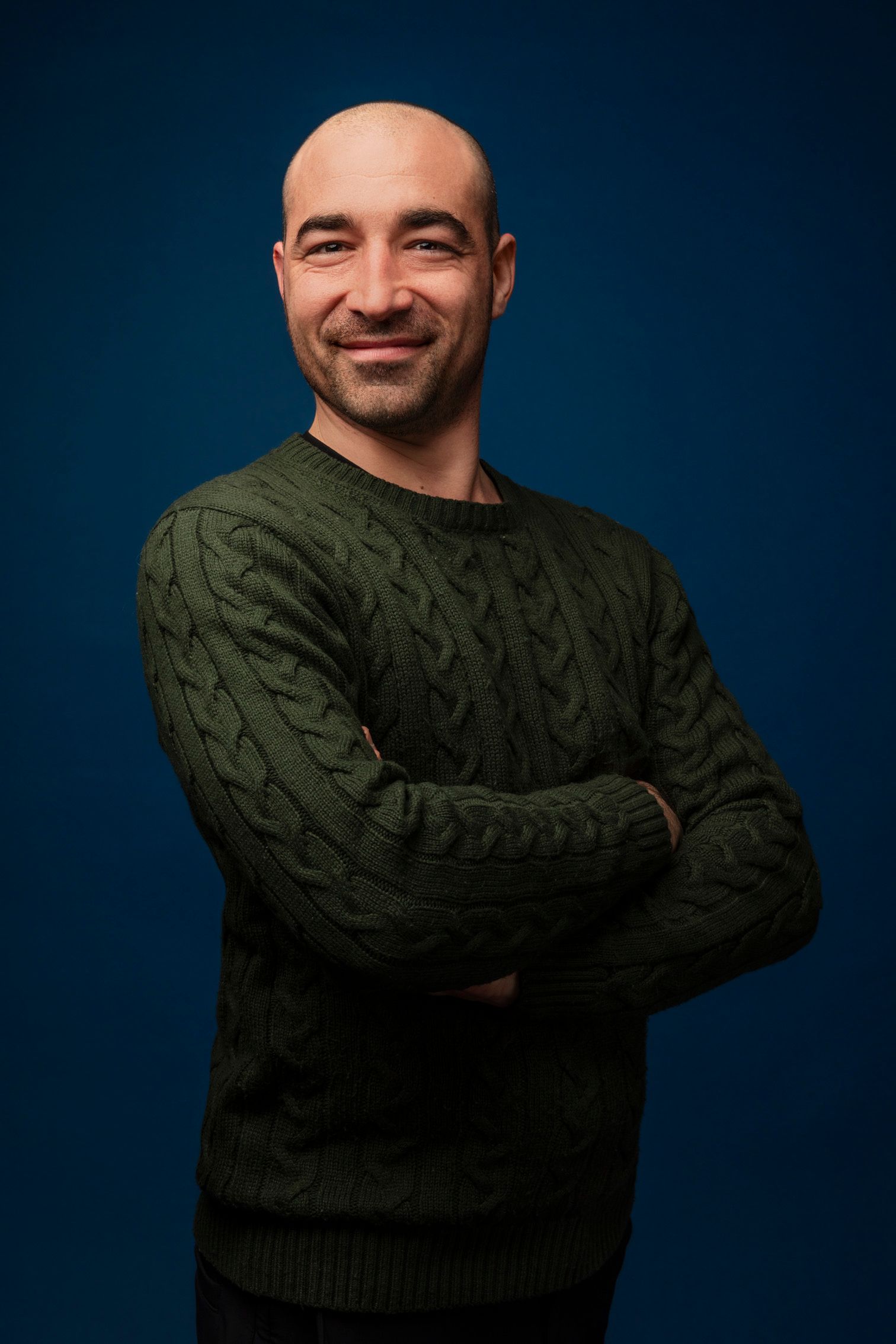
Could you briefly sketch your professional path – which milestones were most important on your way to becoming the founder of Sud Sonico in Lecce Italy?
I began working in the music industry in 2012, primarily focusing on marketing, communication, event organization, and ticketing for large-scale events. It was a period of intense operational learning where I could closely observe the economic dynamics of the entertainment industry. At just 24 years old, this experience allowed me to understand the inner workings of the music industry and cultural projects from both a creative and organizational perspective.
In 2014, I founded a small independent agency operating between Italy and Germany, focused on the promotion and communication of contemporary and electronic music projects in Europe. We collaborated with artists, cultural spaces, and festivals, assisting them in audience development and building an international presence across niche media, blogs, and radio. During those years, we managed over 150 campaigns—collaborating with everything from tiny independent blogs to BBC Radio—and built an extensive network of professional relationships, helping to connect niche artistic scenes with broader cultural ecosystems.
Meanwhile, I was involved in designing and producing independent events in Lecce. In hindsight, this phase was as challenging as it was decisive: it forced me to confront operational management, public relations, economic sustainability, safety, and risk management—often in contexts characterized by limited resources and high management complexity. In this environment, I developed a strong capacity for adaptation and problem-solving, along with a deeply "hands-on" approach that eventually integrated with a growing focus on strategic, organizational, and soft skills. Over the years, I have worked in both operational and directorial roles for over 200 events, ranging from classical, electronic, jazz, and pop music to other contemporary languages and formats such as conferences and training courses.
2019 represented a turning point. Despite the results achieved, I felt the need to close a cycle and steer my path toward a dimension more consistent with the vision I had matured: I perceived culture as a driver capable of generating value for communities and contributing to people's well-being, regardless of geographic context. I had already begun exploring international design and fundraising in 2016, and in 2019, I chose to develop these areas more formally by founding Sud Sonico. This journey remains the foundation of my professional vision and attitude today, which I bring to both Sud Sonico and my consultancy work. If I had to define it, I would say my professional approach is rooted in strategic and executive experience, leaning toward innovation and oriented toward connecting local contexts with global dynamics.
What specific formats and initiatives does Sud Sonico create?
Sud Sonico was born from a simple but ambitious idea: using music as a tool to improve society. Over time, this vision has expanded into several complementary initiatives that maintain strong consistency with our original mission.
On one hand, we produce and curate artistic projects, particularly in contemporary and electronic music, such as AVANT Festival. This is a "boutique" music festival—intentionally intimate and not mass-oriented—designed to offer high-quality, curated cultural experiences with a strong artistic and social dimension. In this context, music becomes a space to convey values such as solidarity, social justice, and active citizenship. The festival is free and accessible, and each edition is linked to supporting a specific humanitarian cause, both in terms of awareness and fundraising.
Alongside artistic production, we invest significantly in training, aiming to nurture talent, transfer skills, and encourage the growth of new professionals. Through programs like AVANT Learn and MEGA (Music Efforts for Green Activism), we work on developing skills related to cultural design, management, and fundraising, as well as using creativity as a lever for civic engagement and environmental activism. We collaborate with artists, cultural operators, and communities, offering methodologies and tools to develop innovative, conscious, and socially responsible projects.
A central part of our work is dedicated to international solidarity. With Musica Etica, we organize events that combine music with fundraising to support children and families living in conflict zones. In just a few years, we have helped support over 700 children and families across the Middle East and Africa, providing basic necessities, water, meals, and educational materials. This is our way of translating cultural action into tangible support for vulnerable people.
At the same time, we collaborate with schools, local authorities, and institutional partners, providing support, training, and guidance for professional and organizational development in the cultural and music sectors, aiming to strengthen local territories and enhance local talent.
We like to think of Sud Sonico as an open platform where music is certainly an artistic expression, but also a medium to activate dialogue, reflection, human and professional development, and forms of civic participation.
Prior to founding Sud Sonico, you established yourself as a fundraising consultant with a focus on international markets. In which countries have you primarily gained your experience?
Italy, Austria, Switzerland, Germany, and France are the countries where I have gained the most significant part of my experience. I have worked as an executive, consultant, and advisor, as well as in training and capacity-building contexts within both academic and non-formal settings. In some cases, I have also shared best practices related to fundraising strategies developed in "peripheral" contexts, demonstrating that even less central areas with fewer infrastructures can generate effective, sustainable, and replicable models.
Furthermore, I have always cultivated a strong interest in researching and mapping global funding systems. Over the years, I have built structured knowledge—organized into operational tools and databases—of the main international private supporters active in the arts, culture, and education sectors. This now serves as a concrete base for guiding resource access strategies and building partnerships at the European level. This has led me to become increasingly interested in the connection and comparison between different ecosystems, particularly between Southern Europe and the philanthropic and institutional contexts of Central Europe.
In the last two years, driven by the work done and a desire to innovate, I have progressively directed my work toward a deeper understanding of resource allocation processes and the logic of philanthropic and impact investment. My goal is to develop models built on the needs of non-profit organizations, beneficiaries, and local territories. I consider this wealth of knowledge a concrete tool for transformation and development. My objective is to eventually make a part of these resources more accessible, including in open formats, to contribute to the conscious and responsible growth of cultural projects and the strengthening of operators' skills, in Lecce and elsewhere.
At the core of my daily work is the conviction that fundraising is not just a technical tool or a strategic lever, but also a vocation and a significant responsibility. Fundraising is, de facto, a way to activate broader development processes, tangibly improve people's quality of life, and contribute—through culture—to the construction of dialogue, cohesion, and prosperity across different contexts.
You are also in charge of the fundraising activities for Sud Sonico – is this focus primarily within Italy, or does it also extend internationally?
As an artistic platform with a cross-sectoral and strongly contemporary approach, I have progressively oriented Sud Sonico's fundraising activities toward an international dimension. To date, the majority of our supporters come from abroad. We collaborate primarily with foundations, cultural institutions, foreign ministries, embassies, and international donors who, compared to the Italian context, show greater openness toward hybrid project formats and contemporary artistic languages. With these partners, we have built relationships based on transparency, reliability, accountability, and a shared vision focused on generating benefits for beneficiaries and using resources effectively.
We also work with European public funds, particularly within training and education programs. This allows us to curate and strengthen our international network, export models developed locally, and simultaneously import innovative methodologies and practices in capacity-building and talent development.
The relationship with the Italian public funding system is more complex. It is a landscape that, by structure and access criteria, tends to privilege more institutionalized and consolidated cultural forms—in the music sector, specifically symphonic, operatic, classical, chamber music, and jazz—or productions with a strong mass-market appeal. In this scenario, projects involving contemporary, independent, or experimental languages often struggle to find continuous support, despite some exceptions.
The dialogue with international partners and the trust we’ve built have gradually helped consolidate an operational model that arises from this "tension" between different contexts. It is a model built through direct engagement with diverse ecosystems, which today integrates cultural innovation, accessibility, and social impact.
Can you describe a few cultural nuances or differences you have encountered within various international fundraising markets?
In my experience, fundraising is deeply influenced by the cultural and institutional environment in which it develops. Beyond tools and strategies, it is primarily about understanding how concepts like trust, value, and collaboration are perceived.
In recent years, I have observed how each system responds to its own logic. In Italy, for example, recognition often comes more easily when a project or its leaders have already gained visibility abroad or consolidated a certain positioning. This sometimes shifts the focus from the intrinsic quality of the work toward elements related to reputation and presence in the "right" circuits.
Moving toward Central European contexts, I have noticed different dynamics. In Switzerland, for instance, there is a strong culture of listening and a willingness to engage that isn't expressed just through financial support, but also through advice, connections, and informal exchanges. At the same time, access is not immediate: trust is built over time and requires consistency and continuity.
In countries like Germany, Austria, or France, I have found an initially more cautious approach, but once reliability and quality are verified, relationships tend to become solid and long-lasting. The entry process may be slower, but it is often more structured in the medium-to-long term.
Another interesting aspect is how some contexts balance openness and caution. In the UK or the Baltic countries, I have encountered both highly collaborative environments and others that are much more selective and cautious, sometimes even within the same ecosystems. In these cases, individuals, networks, and value alignment make a big difference.
The Balkans are perhaps the territory that struck me the most: I found a context that is certainly complex but very human. There is a certain prudence, likely linked to historical dynamics, but simultaneously a great authenticity in relationships. When trust is established, collaboration becomes direct, concrete, and often very sincere.
These experiences have convinced me that fundraising is not only a technical discipline but a deeply relational practice. Knowing how to read these differences and adapt without losing consistency is, in my view, essential for building solid and lasting collaborations.
How do you prepare an organization for international fundraising, and what are the primary challenges in this process?
Preparing an organization for international fundraising is a process that varies greatly depending on its size, internal skill levels, track record, and, most importantly, its mindset.
In the case of small or medium-sized organizations, the work almost always begins with an analysis and alignment phase. This involves deeply understanding what has been done in the past, which projects are ongoing, and identifying the successes, criticalities, and latent risks characterizing their operating context. We also evaluate how ready the organization is to sustain an international path, both operationally and strategically.
In this journey, it is fundamental to initiate a shared reflection on vision, short-, medium-, and long-term goals, and the capacity for management, implementation, and reporting. While documentary analysis is useful, the human dimension and direct confrontation are equally important: that is often where the main "blockers" emerge, as well as untapped potential. This preparatory phase is generally the most delicate because it requires a real alignment of approach, mentality, and language suitable for dialogue with philanthropy, alongside a strengthening of organizational assets. Only on this foundation is it possible to build effective fundraising strategies capable of generating value over time and reducing risks related to management and compliance. With more structured organizations, some of these steps may be less intense or already consolidated.
Currently, in the European cultural context, there is still a widespread fragility in areas such as strategic development, fundraising toward private capital, and the ability to interpret data and contexts. Despite this, what strikes me positively is a strong capacity for resilience, often accompanied by creative and intuitive problem-solving. This resilience represents one of the most interesting characteristics of the sector: I strongly believe that with a strengthening of internal capacities and more structured processes, many cultural organizations could make a significant leap, becoming more competitive and capable of planning for and achieving a return in the medium-to-long term.
In your view, what are currently the most interesting or emerging fundraising markets in Europe?
In my experience, rather than looking at individual countries, it is more interesting to observe certain emerging trajectories crossing various European ecosystems. More experimental philanthropic approaches and impact investing models are taking hold, with a growing willingness to support innovative projects, even while accepting a certain degree of risk. In some cases, this is already generating visible results in the short term, which is by no means a given.
Another relevant element is that more foundations and platforms are evolving toward a more strategic approach to resource allocation. It is no longer just about funding individual projects, but about accompanying organizations in their development—supporting indirect costs, R&D processes, and the building of ecosystems.
New, often hybrid tools are emerging that link philanthropy, impact investment, and even decentralized financial innovation. I’m thinking, for example, of the growing focus on blended finance models, platforms that facilitate matching between donors and organizations—even in specific niches like music—and high-ambition initiatives that aggregate large-scale capital to address common challenges across different territories.
I have also started following the field of decentralization applied to philanthropy with interest. It is still in the early stages, but it could open interesting scenarios in terms of transparency, participation, and new ways of distributing resources. Furthermore, it is increasingly evident that specific European contexts, and some Asian areas, are evolving and innovating very rapidly.
What seems most relevant today is not where the most interesting markets are, but the fact that a new way of understanding fundraising is emerging: one that is more connected, oriented toward trust, experimentation, and the ability to support innovation while accepting a component of risk. For those operating from contexts outside the main decision-making and networking hubs, these developments represent a concrete opportunity to access resources, models, and relationships that were less accessible—or even identifiable—in the past.
Access to philanthropic networks and resources beyond one's own geographic borders has never been more attainable. With competence, responsibility, and transparency, non-profit organizations can today make a qualitative leap and concretely support foundations in pursuing their missions.
Do you consult for clients across Europe? If so, what is the best way for them to reach or contact you?
Yes, my professional scope is international, and I regularly work with organizations and partners in several European countries, both in consultancy and project design.
I can be reached via email or on LinkedIn. I am always open to meeting new organizations, colleagues, and enablers of change. You can also find me at major international conferences, festivals, and events related to the music sector, fundraising, social impact, and philanthropy.