Interview with Sophie Hundertmark about Generative AI and bots - consultant, speaker & PhD student
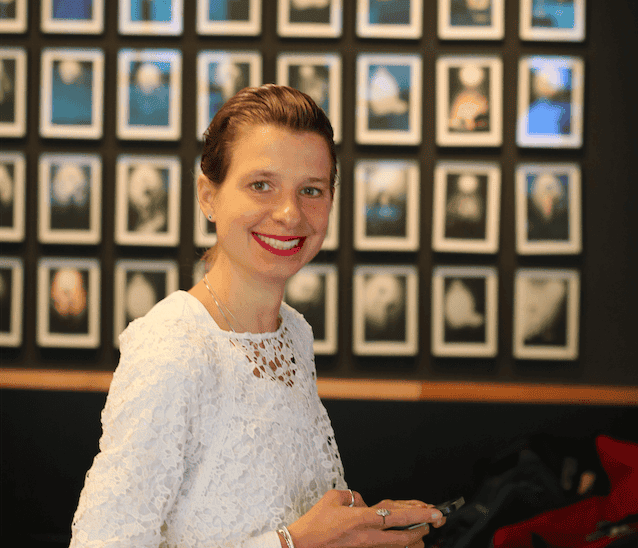
Ms. Hundertmark, you are working intensively on AI visibility. How did you originally come to this topic?
Well, I naturally asked myself quite early on what would happen in the future if people said: "Hey, ChatGPT, I'm looking for artificial intelligence advice."
How do I manage to be displayed there? That's how I started looking into the topic of AI visibility for myself. Later, of course, I also looked at it from a research perspective. I also work at the Lucerne University of Applied Sciences and Arts, where I do research on the topic. The next step was to start working on the topic for my clients.
What exactly does "AI visibility" mean - and why is it relevant right now, including for NGOs?
AI visibility basically describes how you are found and displayed by an AI system such as ChatGPT, Perplexity or Gemini. In which contexts am I displayed? Does the content that is displayed match the content that I want to present? So it's not just about being visible, but also about being displayed with the right content at the right time.
This is particularly relevant for NGOs because it's not just about traditional Google ads, but about using content in a targeted, appropriate and trustworthy way. This is less about financial resources and more about building trust - and NGOs are generally very good at this.
Many NGOs struggle with limited resources. How can AI help to increase their visibility without losing authenticity?
Using AI tools to generate good content can be a support. However, trustworthy content cannot be developed by AI alone - humans still need to be involved. However, NGOs can increase efficiency and quality through the targeted use of AI.
Can you give an example of how increased AI visibility can lead to more success in fundraising?
I can't give a 100% active example, but I have recently worked with niche providers, including NGOs that were well known in their niche but not very visible on Google. Using AI systems, they were able to clearly highlight their niche and thus become visible.
What ethical guidelines should NGOs pay particular attention to when using AI?
Transparency and trustworthy use are key. It must be made clear which content was generated with AI, which data is entered into AI systems and which remains protected. It should also be clear which tasks will continue to be performed by humans and where AI can deliver real added value.
Which key figures or indicators show whether AI is actually contributing to visibility?
There is currently no single KPI. However, clever prompting in systems such as ChatGPT or Perplexity makes it easy to see whether and how you are visible.
Do you believe that AI can also help to increase trust or willingness to donate in the long term?
Yes, AI systems are already trusted today and people follow the content they generate. If NGOs are recommended as trustworthy by AI systems, this can certainly have a positive effect on the willingness to donate.
And finally, how would you like to see NGOs deal with the topic of AI in the future?
In general, I would like our society to use AI responsibly and sensibly. We should cultivate human relationships, maintain critical thinking and pass it on to future generations. At the same time, AI should be used where it makes processes more efficient, automates routines or increases quality - but humans should always remain the final decision-making authority.