Stability Implies Obligation – Dr. Daniel Risch on International Responsibility, Liechtenstein Foundations, and His New Role at Switzerland for UNHCR
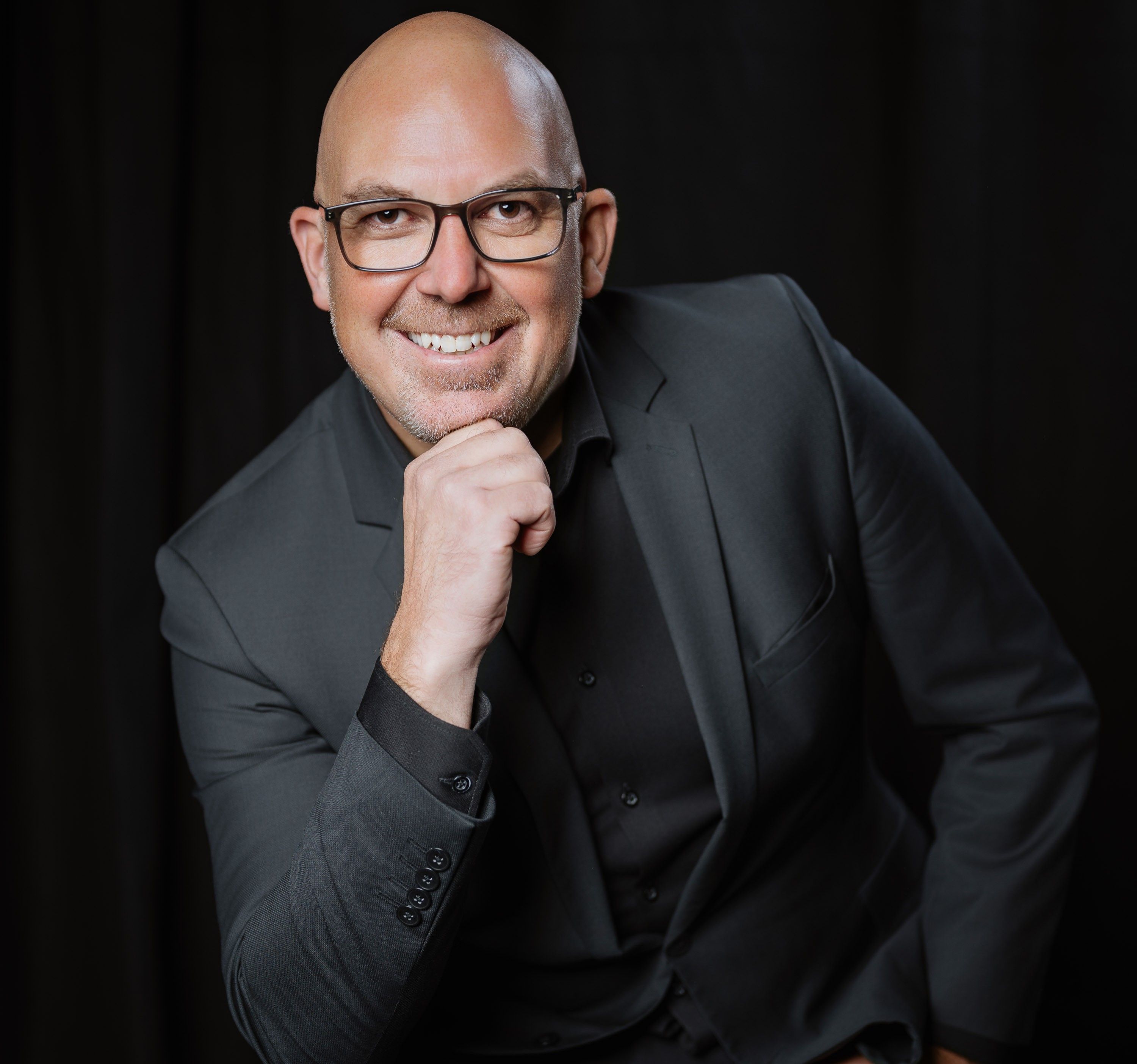
Mr. Risch, what personally motivated you to get involved with the Switzerland for UNHCR Foundation and what values guide your humanitarian commitment?
My commitment to the Switzerland for UNHCR Foundation stems from a deep conviction that every human being has the right to protection and dignity. The humanitarian values that guide me are solidarity, compassion, and responsibility. Growing up in Switzerland and Liechtenstein—both countries characterized by stability and prosperity—I feel it is my duty to contribute to people in need. The UN Refugee Agency cares for those who have lost everything—even their homeland. Therefore, this cause is particularly meaningful.
The final factor in my decision to join the board was the Switzerland for UNHCR team and the conviction that I could make an important contribution.
I was particularly impressed by the foundation's professionalism, its clear governance structure, and its close ties to UNHCR. This combination of local roots and global impact creates trust—both among individual donors and institutional partners.
What central goals do you wish to pursue within the Switzerland for UNHCR Foundation and where do you see the foundation's specific strengths in the international humanitarian context?
Unsurprisingly, my involvement with Switzerland for UNHCR will focus on my core competencies in financial leadership, digitalization, and digital marketing, as well as my network in German-speaking Switzerland and Liechtenstein—always with the ultimate goal of providing refugees with better prospects. Through the direct connection to UNHCR, aid can be targeted specifically where the need is greatest.
I see a key task in strategically developing the foundation and strengthening its positioning within the philanthropic environment. Switzerland for UNHCR acts as a bridge-builder between committed private individuals, foundations, and companies on one hand, and the operational work of UNHCR on the other. This role deserves greater visibility.
The foundation's strength lies in its efficiency and transparency. Funds are used for specific purposes, projects are clearly defined, and impact is made measurable. In an age where trust in institutions is not a given, this reliability is crucial. I am convinced that we can achieve even greater impact through targeted outreach to institutional partners and the use of digital tools.
Are there specific projects or themes—such as education, psychosocial support, or the protection of children—that are particularly close to your heart?
As a father of two, projects in the areas of education and child protection are naturally close to my heart. Education is ultimately the key to a better future and enables integration and self-determination. However, it is important to me that the focus remains on all refugees and people in need; thus, creating humane conditions and providing psychosocial support is essential to give hope and stability to traumatized individuals.
Childhood is where the importance of early support is most evident. A lack of education or protection often has lifelong consequences. At the same time, we must not lose sight of adults. Employment prospects, psychosocial stabilization, and legal protection are central requirements for families to live independently again.
UNHCR possesses decades of experience and on-the-ground structures that enable rapid yet sustainable aid. Switzerland for UNHCR helps ensure that this work can be reliably funded.
Liechtenstein has a long tradition in the foundation sector. How do you assess the current situation of Liechtenstein foundations, particularly regarding transparency, international cooperation, and regulatory developments?
I can certainly confirm the long tradition in the foundation sector, especially regarding charitable and philanthropic foundations. In 2025, Liechtenstein ranked first globally for philanthropy by the Global Philanthropy Environment Index. This is partly because Liechtenstein offers excellent framework conditions for charitable foundations and trusts with its high level of legal certainty, liberal foundation and trust laws, and globally recognized financial services. The current situation is characterized by increasing transparency and regulatory developments that facilitate international cooperation.
I observe that many foundations today pay even closer attention to impact and governance than in the past. Professionalization, clear reporting structures, and international partnerships are gaining importance. This is a positive development. Especially in a humanitarian context, it is crucial that funds are used traceably and that impact is clearly communicated.
Liechtenstein foundations possess high levels of expertise in structuring, long-term financing, and strategic project support. These strengths are in high demand in the international environment.
To what extent do you believe Liechtenstein foundations could play a stronger role in global humanitarian projects?
Their flexibility, network, and expertise make Liechtenstein foundations valuable partners, particularly in the financing and implementation of innovative aid projects.
I am convinced that Liechtenstein foundations, due to their agility, are particularly well-positioned to act in a targeted and impact-oriented manner. They can enable pilot projects, promote innovative approaches, and step in where state resources reach their limits.
In collaboration with an organization like UNHCR, a strong model emerges: strategic, long-term financing from Liechtenstein meets operational excellence and a global presence. This combination offers significant potential.
What forms of cooperation between the Switzerland for UNHCR Foundation and Liechtenstein foundations do you consider realistic and particularly effective?
I consider cooperation where Liechtenstein foundations specifically support Switzerland for UNHCR projects—for example, through joint funding programs or knowledge transfer—to be realistic and effective. Synergies arise primarily where both sides contribute their strengths and learn from one another.
Furthermore, I see potential in multi-year partnerships with clearly defined impact goals. Predictability is of great importance for humanitarian organizations.
Professional exchange between foundation boards, management, and project managers can also be valuable. Switzerland for UNHCR can serve here as a structured platform that carefully reviews projects, reports transparently, and ensures the connection to UNHCR.
What do you wish for the future of the Switzerland for UNHCR Foundation in terms of its contribution to a more compassionate and humane world?
For the future of Switzerland for UNHCR, I hope the foundation makes a significant contribution to a more compassionate and humane world by generating substantial funds for UNHCR. Ultimately, it is about giving hope to people in need and providing tangible support.
Beyond that, I hope the foundation is perceived as a reliable partner for sophisticated philanthropists. Impact, transparency, and professionalism should be at the center.
In a world of increasing crises, there is a need for organizations that act with stability, competence, and values. Switzerland for UNHCR has the potential to further expand this role.
Thinking of the next generations: What message would you like to give to young people in Liechtenstein who want to stand up for refugees and humanitarian values?
I am convinced that the message for Swiss and Liechtenstein youth, or youth throughout Europe, is the same. Commitment to humanitarian values, support for the most vulnerable, and a strong community are fundamental to a functioning society—engagement often begins on a small scale but can achieve great things. Openness, empathy, and the will to take responsibility are the foundation for a good future.
Young people, in particular, bring new perspectives, digital competence, and a strong sensitivity to global contexts. We should take this potential seriously and promote it. Humanitarian engagement is not a question of age, but of attitude.
I hope that many young people recognize that prosperity and stability also mean obligation. Those who grow up in a privileged environment can make a contribution—through commitment, professional expertise, or by supporting organizations that help professionally and effectively.
About the person:
Daniel Risch has been a member of the Board of Switzerland for UNHCR since February 2026.
From 2021 to 2025, Risch was the Prime Minister of Liechtenstein and was responsible for finance, digitalization, and the general organization of the state administration. Prior to that, from 2017 to 2021, he was Minister for Infrastructure, Economic Affairs, and Sport. Daniel Risch holds a doctorate from the University of Fribourg on the "Use of customer profiles in e-commerce" and studied economics in Zurich, St. Gallen, and Munich. From 2008 to 2014, he was CMO of a leading Swiss e-business service provider.
Before his eight-year political career, Risch held various board and supervisory mandates in Liechtenstein, Switzerland, and Germany. He was also co-founder of what is now Liechtenstein's largest music festival.
Daniel Risch, born in 1978, is married and the father of two daughters. He lives with his family in Triesen and is an enthusiastic outdoor athlete. In his spare time, he plays piano and guitar.
Switzerland for UNHCR:
Switzerland for UNHCR is a foundation under Swiss law and is subject to federal foundation supervision. It was founded to support the work of the UN Refugee Agency (UNHCR) in Switzerland and to mobilize additional private funds for global refugee protection.
As the national partner organization of UNHCR, the foundation connects committed individuals, companies, and foundations with concrete, audited projects on the ground. Funds flow where the need is greatest—for example, to the protection of children, emergency aid, education, or the care of displaced persons in crisis areas.
Switzerland for UNHCR works transparently, with clear governance and close ties to UNHCR. Donors receive insight into projects, impact, and the use of funds. The goal is to secure sustainable support for people on the run and to build reliable partnerships in the philanthropic environment.